Photoaxompa
Introduction
Photoaxompa is a fascinating word that pops up in many ways online. Some say it’s an old Mexican art tied to plants and healing. Others see it as a cool new tool for editing photos with computers. Based on deep searches, Photoaxompa seems like a mix of old wisdom and fresh ideas. It can mean making art from agave plants that turn into drinks like mezcal. Or it can be about using light for feeling better, like the Aztecs did long ago. Today, people link it to smart apps that fix pictures fast. This article dives into all sides of Photoaxompa. We’ll keep it simple so kids and grown-ups can enjoy it. Let’s uncover what makes Photoaxompa so special!
What is Photoaxompa?
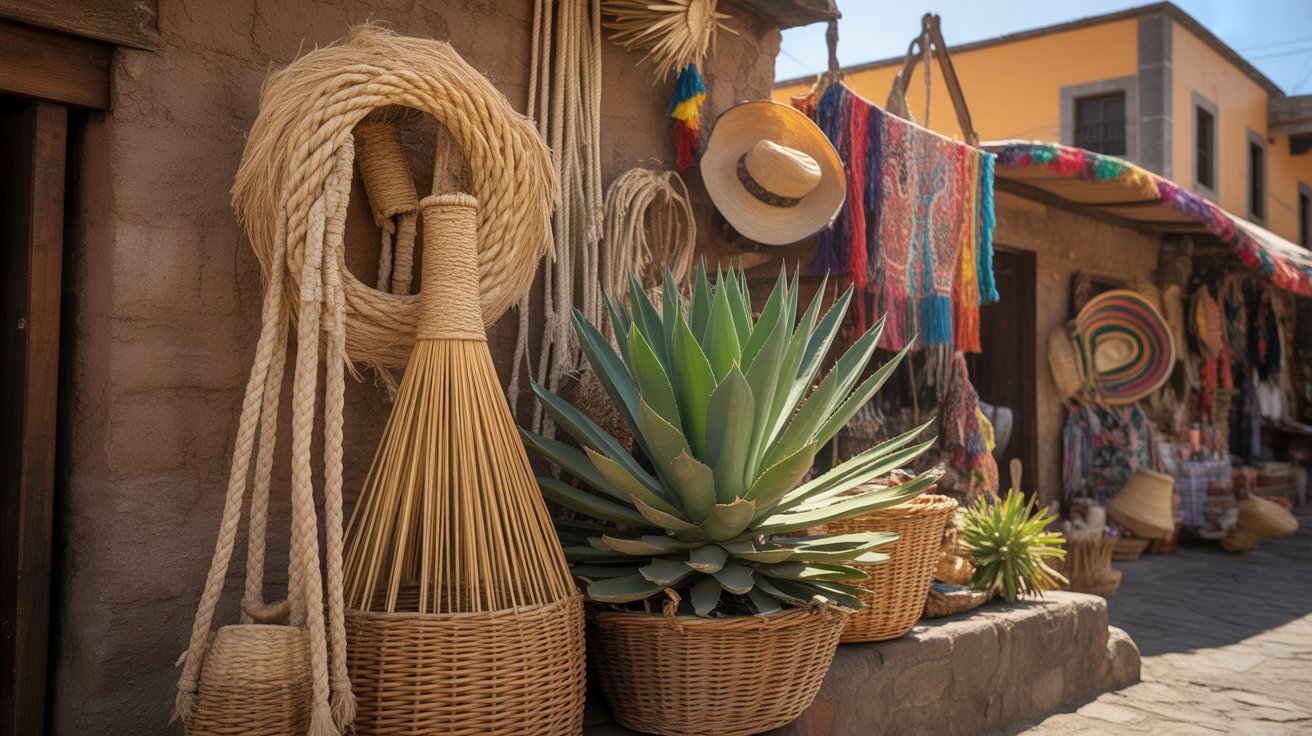
Photoaxompa is a term that brings together art, science, and culture in exciting ways. In one view, it’s an ancient practice from Mexico where people use agave plants to create fermented drinks and beautiful artwork. The agave plant grows in hot, dry places. Workers cut its heart to get sweet juice. This juice ferments into tasty liquids like pulque or mezcal. Artists then paint or draw the steps on pots or walls. They use bright colors from nature, like red from bugs or blue from plants. Photoaxompa shows how people long ago mixed making food with making art. It’s like a story told through pictures and flavors. Today, some see Photoaxompa as a digital tool too. It helps edit photos with AI, making them look better fast. This blend makes Photoaxompa fun for everyone. Whether old or new, it’s about changing things for the better.
The History of Photoaxompa
Photoaxompa has deep roots in Mexico’s past, going back over 1,000 years. Ancient people like the Aztecs used it in their daily lives. Around 800 CE, folks in central Mexico started drawing the fermentation of agave on ceramics. These drawings showed steps like harvesting the plant and letting it bubble into drink. The Aztecs, who lived from about 1300 to 1521 CE, made Photoaxompa part of their healing rituals. They believed light from the sun could fix body and spirit. Special healers called ticitl used mirrors to bounce sunlight during ceremonies. Spanish explorers wrote about this in books like the Florentine Codex. It has pictures of Photoaxompa events at times like the solstice. Nobles got treatments in temples with shiny obsidian stones. This history mixes nature, art, and health. Even after outsiders came, Photoaxompa lived on in stories and crafts. Now, it’s coming back in new forms.
How Photoaxompa Works in Traditional Ways
In traditional Photoaxompa, the process starts with the agave plant. Farmers wait 7 to 10 years for it to grow big. Then, they cut out the center, called the piña. Sweet sap flows out, and tiny living things called microbes eat the sugars. This turns it into a fizzy drink with special tastes. Artists watch and draw each part. They make canvases from agave fibers. Pigments come from earth, like cochineal bugs for red. Designs include spirals for change and circles for pots. Ceremonies happen at harvest time. People gather to paint and share the fermented juice. It’s not just art; it’s a way to honor nature. In healing Photoaxompa, light plays a big role. Healers use sun rays to warm spots on the body. They chant and use herbs too. This helps with stress or pain. The whole thing teaches balance with the world. Kids can try simple versions, like drawing plants or mixing safe juices.
Photoaxompa and Cultural Importance
Photoaxompa holds a special place in Mexican culture. It connects people to their ancestors and the land. For indigenous groups, it’s a symbol of life cycles. The agave represents strength in tough places. Fermentation shows transformation, like turning simple things into something valuable. Art from Photoaxompa tells stories of gods and nature. Aztecs linked it to solar worship for renewal. Today, museums like Mexico City’s National Anthropology Museum show old Photoaxompa pieces. Festivals celebrate it with dances and tastings. It helps preserve languages and traditions. In wellness, Photoaxompa inspires modern therapies. People use light boxes for mood boosts, echoing old ways. Artists like Maria Elena Vasquez make new works with live elements. This keeps Photoaxompa alive. It teaches respect for earth and creativity. For kids, it’s a fun way to learn history through drawing or play. Everyone can feel part of this rich heritage.
Modern Twists on Photoaxompa
Today, Photoaxompa is evolving with technology. Some sources describe it as a digital platform for photo editing. It uses AI to fix lighting, add effects, or batch process images. This makes pro results easy for beginners. You can switch devices without losing work, thanks to cloud saves. Templates help with branding or stories. Think of it as blending old art ideas with new tools. For example, track progress in photos, like a fitness journey. It draws from ancient tracking of fermentation stages. Modern Photoaxompa apps support sharing in communities. This echoes group ceremonies of the past. In business, it helps marketing with visual tales. Sustainability ties in too, like using agave byproducts for biofuels. Artists mix digital edits with traditional paints. This fusion keeps Photoaxompa fresh and useful. Even kids can use simple apps to edit family pics and learn.
Benefits of Exploring Photoaxompa
Photoaxompa offers many good things for mind, body, and fun. In traditional forms, fermented agave drinks have helpful compounds for health. They aid digestion and give energy. The art side boosts creativity and relaxes you. Drawing patterns can be like meditation. Healing with light lifts spirits, fighting sadness. Studies show sunlight helps mood. In digital Photoaxompa, you save time editing photos. AI fixes mistakes fast, making work consistent. It’s great for social media or school projects. Sharing edited pics builds confidence. Culturally, it connects you to history, fostering pride. For the planet, sustainable practices from Photoaxompa reduce waste. Agave grows with little water. Modern uses promote green tech. Families can bond over trying it. Kids learn science through fermentation experiments or app play. Overall, Photoaxompa enriches life in simple, joyful ways. It’s accessible and inspiring for all.
Photoaxompa in Everyday Life
You can bring Photoaxompa into your day easily. Start with kitchen fun: Mix fruit juices and let them sit to see bubbles form. That’s like basic fermentation. Draw the process with crayons. For healing, sit in sunlight and breathe deep. Use a mirror to play with light patterns. It’s safe and calming. Digitally, try free apps that edit photos with AI. Add filters to family snapshots. Share stories online. Visit Mexican food spots for agave drinks like tequila samples (for adults). Join art classes on indigenous styles. Museums often have free days for Photoaxompa exhibits. Online, search for tutorials. Kids can make collages blending old and new images. In gardens, plant succulents like mini agaves. Track their growth with photos. This builds habits of observation. Photoaxompa fits busy lives, adding wonder. It turns ordinary moments into creative adventures.
The Future of Photoaxompa
Photoaxompa looks bright ahead. With tech growing, digital versions will get smarter. AI might create art inspired by ancient designs automatically. Virtual reality could let you join Aztec ceremonies. In real life, more people will revive traditions. Eco-friendly farms may boost agave use for fuels and art. Wellness centers will mix light therapy with modern science. Education can include Photoaxompa in schools, teaching history and creativity. Global sharing online will spread it wider. Artists will fuse it with other cultures. Challenges like climate change might adapt Photoaxompa for tough times. Preservation efforts will save old knowledge. Young inventors could make apps that teach fermentation safely. Overall, Photoaxompa will grow, blending past and future. It promises more ways to connect, heal, and create. Everyone can be part of this exciting path.
Challenges and Tips for Photoaxompa
Like any cool thing, Photoaxompa has hurdles. Traditional ways need special plants, not easy everywhere. Fermentation can go wrong if not careful, making bad smells. Digital tools might cost money or need internet. Cultural respect is key; don’t copy without learning. Start small: Read books on Aztecs. Try safe recipes online. For editing, use free apps first. Join communities for advice. Protect nature by choosing sustainable products. Teach kids safety, like no eating unknown plants. Overcome doubts by trying one step. Photoaxompa rewards patience. Share your tries with friends. This builds a supportive circle. In time, challenges become fun lessons. Photoaxompa shows us to adapt and grow. With tips, anyone can enjoy it fully.
Photoaxompa weaves a tapestry of wonder from ancient Mexico to today’s screens. It reminds us that art, nature, and tech can unite for good. Whether fermenting agave, healing with light, or editing photos, Photoaxompa sparks joy and learning. Its story shows human ingenuity across time. Now it’s your turn to explore! Dive into Photoaxompa today—try a simple art project, download a free editing app, or visit a museum. Share your creations online and inspire others. Unlock the magic of Photoaxompa and transform your world! For more insights, check trusted sources or join cultural groups. Start now and see the difference!